 By Ethan Brooks
Updated November 2026
Turkey decorations for Thanksgiving can turn a plain table, mantel or front porch into a festive scene in under an hour. This guide walks you through choosing the right style, placing turkey pieces so they look intentional, and avoiding the common mistakes that make a display look cluttered. By the end, you will have a plan for using turkey decor in every room you want to dress up. For a deeper look, Top 3 Thanksgiving Church Decorations Ideas for Fellowship Halls and Sanctuaries covers this in detail.
Start With the Style You Want
Turkey decor comes in more styles than most people expect. Before you buy or pull anything out of storage, decide which look fits your home. A clear direction keeps your display cohesive and saves you from mixing too many clashing pieces. Worth reading next: Thanksgiving Decorations Centerpiece Ideas: 7 Fall Looks to Try.
Shopping for one? See our guide: 7 Best 4th of July Holiday Decorations for Patriotic Homes in 2026.
- Rustic or farmhouse: Wood, burlap, galvanized metal and muted browns and creams. Turkeys made from wood slices, twine or woven grass fit well here.
- Classic harvest: Warm oranges, golds and deep reds, often with real or faux pumpkins and wheat. Felt, ceramic and painted resin turkeys work nicely.
- Whimsical or kid-friendly: Bright colors, googly eyes and handprint-style turkeys. Paper and craft-foam pieces suit this look.
- Modern minimal: Neutral tones, clean shapes and a limited palette. One or two sleek ceramic or matte-finish turkeys go a long way.
Pick one style and let it guide every other choice, including tablecloths, candles and florals.
Choose the Right Turkey Decorations for Each Space
Not every turkey piece works everywhere. A tabletop figure that looks charming at arm’s length can disappear on a porch, and a large outdoor turkey can overwhelm a small console table. Match the size and material to the space. Thanksgiving Table Decorations Ideas: 7 Fall Looks to Try This Year goes further into this.
| Space | Good Turkey Options | Suggested Scale |
|---|---|---|
| Dining table | Small ceramic or wood turkeys, paper place-card holders | 3 to 6 inches tall |
| Mantel or console | Pairs of turkeys flanking a garland or pumpkin cluster | 6 to 10 inches tall |
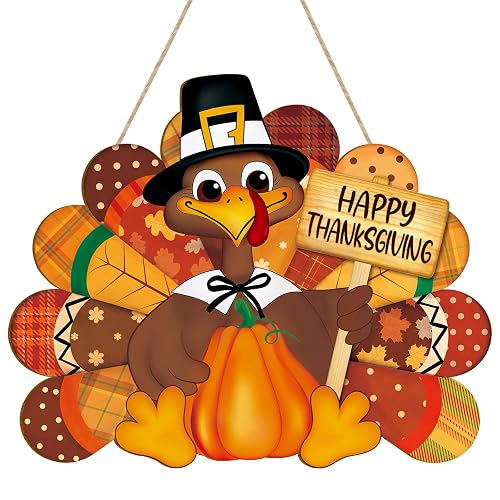
| Entryway or wreath | Felt or fabric turkey accent on a wreath or door hanger | 8 to 12 inches wide |
| Front porch or yard | Weather-rated plastic or metal yard turkeys | 18 inches to 3 feet tall |
For a balanced look, plan your pieces in odd numbers, such as three small turkeys in a cluster instead of two. Varying heights also helps, so place one taller piece at the back and smaller ones in front.
Set Up Your Turkey Display Step by Step
A good display follows a simple process. Working through these steps in order helps you avoid rearranging everything twice. Thanksgiving Decorations Ideas for Preschool: 7 Easy Projects for Fall goes further into this.
- Clear the surface. Remove everything that does not belong, then wipe it down so pieces sit flat and dust does not show.
- Set the anchor. Place your largest item first. On a table, this might be a centerpiece. On a mantel, it is usually the garland or a pair of matching turkeys.
- Add the secondary pieces. Position medium turkeys or pumpkins around the anchor, leaving room for breathing space. Aim for about one-third of the surface empty.
- Fill the gaps with small accents. Use mini gourds, candles, dried leaves or small signs to tie colors together.
- Step back and check. View the display from the main vantage point, such as the doorway or the head of the table. Adjust anything that looks crowded or lopsided.
Create a Focal Point
Every display needs one spot the eye lands on first. On a dining table, that is usually the centerpiece. A trio of turkeys placed at slightly different heights, with a runner of fall leaves beneath them, works well. Keep the focal point low enough that guests can see each other across the table.
Layer Textures
Mixing materials makes a display look richer. Combine a matte ceramic turkey with a burlap runner, a wooden charger and a few glass candle holders. Three or four textures are usually enough. More than that can start to look busy.
Add Turkey Decor to Doors, Walls and Porches
Outdoor and wall displays need a different approach because they are seen from a distance and exposed to weather. For front doors, a wreath with a fabric or felt turkey pinned at the lower center reads clearly from the street. Hang it at a height where it is visible but not blocking the door.
For porches, group larger pieces near the entrance and use smaller ones along railings. If you use a yard turkey, stake it firmly. Wind can easily tip a lightweight figure, so consider the same approach you would use for any outdoor decor, such as the methods covered in How to Secure Outdoor Decorations Against Wind.
Fall-themed porch layouts often pair well with turkey pieces. If you are transitioning from Halloween or early autumn, How to Move Your Porch From Fall to Thanksgiving offers a useful sequence for swapping items without tearing everything down at once.
Tie Turkey Decor Into the Dining Table
Turkey decorations and the dining table are closely connected, since many people display their turkeys exactly where guests sit. Keep the table functional. Pieces should sit low enough that people can talk across them, and anything tall should be placed toward the ends of the table.
For more ideas on keeping a centerpiece open for conversation and food, see Thanksgiving Centerpiece Ideas That Leave Room for Food and Conversation. If you want to build your own natural centerpiece to pair with a turkey, How to Make a Thanksgiving Centerpiece From Natural Materials walks through the process.
Common Mistakes to Avoid
- Too many styles at once. A rustic wood turkey next to a glossy plastic one and a whimsical felt figure can look chaotic. Stick to one or two complementary styles.
- Overcrowding the surface. When every inch is covered, no single piece stands out. Leave open space around your focal point.
- Ignoring scale. A tiny turkey on a large mantel gets lost, while an oversized yard turkey on a narrow porch blocks the walkway.
- Blocking sightlines or walkways. Make sure guests can see across the table and that doorways and stairs stay clear.
- Forgetting weather. Paper and unsealed wood fade or warp outdoors. Choose weather-rated materials for porch displays.
- Leaving decor up too long. Turkey pieces lose their charm after the holiday. Plan a take-down date so the display does not linger into December.
Tips for Making Turkey Decor Last Longer
- Store fabric and felt turkeys flat or hung in a dry closet, away from direct light, to prevent fading.
- Wrap ceramic pieces individually in tissue or bubble wrap before boxing them.
- Photograph your setup before taking it down so you can reproduce it next year.
- Rotate turkey pieces into other fall displays in October and November to get more use from them. Ideas for this are in How to Reuse Decorations Across Holidays.
- Label storage bins by room or style, so setting up next year takes less time.
Good storage habits make a big difference over several seasons. How to Store Seasonal Decorations So They Last From Year to Year covers packing methods that protect fragile pieces and keep wire frames from bending.
Recommended gear
A few practical supplies make turkey displays easier to set up and keep in place.
- Outdoor yard stakes or ground anchors: Helpful for keeping a freestanding yard turkey upright in wind. Look for heavy-gauge metal stakes with a locking tab.
View on Amazon - Clear adhesive hooks or removable wreath hangers: Useful for hanging a turkey wreath on a door without damaging paint or wood.
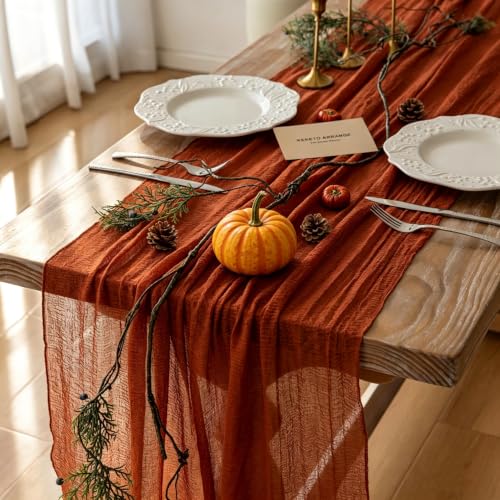
View on Amazon - Felt or burlap table runner: A simple base that anchors a turkey centerpiece and adds texture.
View on Amazon - Clear storage bins with lids: Protects fragile pieces and makes it easy to find them next year.
View on Amazon
FAQ
Where should I place turkey decorations on a Thanksgiving table?
Place a small turkey or cluster of turkeys at the center of the table on a runner or charger. Keep items low enough that guests can see across the table, and use taller pieces only at the ends.
How many turkey decorations should I use?
There is no fixed number, but odd groupings of three or five often look more natural than pairs. Start with one focal piece and add smaller accents until the display feels complete without crowding the surface.
Are turkey decorations safe to use outdoors?
Choose pieces labeled as weather-resistant or made from metal or UV-stabilized plastic. Paper, unsealed wood and fabric should stay indoors or under a covered porch. Secure yard pieces with stakes.
What colors go well with turkey decor?
Warm neutrals such as cream, tan and brown pair well with most turkey styles. Add accents of burnt orange, gold or deep red for a classic harvest look, or use sage green for a softer, more modern palette.
Can I use turkey decorations for kids’ Thanksgiving activities?
Yes. Paper plate turkeys, handprint turkeys and felt craft kits make good projects for children. Displaying their work alongside store-bought pieces adds personal charm to your decor.
When should I put up Thanksgiving turkey decorations?
Many people set up turkey decor in early November or the last week of October, once fall decor is in place. Plan to remove them within a week or two after the holiday.
How do I keep turkey decorations from fading?
Keep them out of direct sunlight, especially for paper, fabric and painted pieces. Store them in a dry place between seasons and avoid leaving outdoor items exposed to rain for long periods.
Do turkey decorations need to match other Thanksgiving decor?
They do not need to match exactly, but they should share at least one color or material with the rest of your display. Repeating one accent color across the table, mantel and front door helps everything feel connected.
Conclusion
Turkey decorations for Thanksgiving work best when you choose one style, match each piece to its space and build the display in layers. Keep a clear focal point, leave room to breathe and plan for weather if you decorate outdoors. With a few simple habits, your turkey decor can carry you from the dining table to the front porch and back into storage ready for next year.
Ready to choose one?
About Ethan Brooks
Ethan Brooks is part of our editorial team and reviews and edits our non-christmas seasonal decor guides, checking product details against manufacturer specifications and owner feedback.