 By Ethan Brooks
Updated November 2026
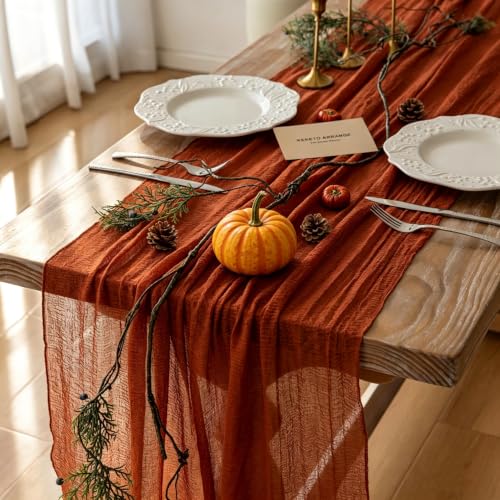
Fall dining room table decor ideas work best when you build from a single base: a runner, a centerpiece and a few layered accents that tie together. This guide walks through how to plan that base, choose seasonal materials and keep the table functional for everyday meals and autumn dinners. Expect a clear sequence you can finish in an afternoon.
Start with a Base Layer: Runner and Placemats
Pick a runner first, because it sets the color palette for everything else. Burnt orange, deep red, mustard and olive all read as fall, and neutral tones like cream or oatmeal let the seasonal accents stand out. A runner that is roughly half the table length, centered and hanging about 8 to 12 inches over each end, looks intentional on most dining tables.
Layer placemats or chargers on top of the runner if you want more texture. Woven or jute placemats add an earthy feel, while linen in muted plaid suits a cozy look. If you want more background, see Fall Table Decor Pinterest: 7 Easy Ideas for an Autumn Table.
Build a Centerpiece That Works at Eye Level
A centerpiece should stay low enough that people can see each other across the table. A good rule is to keep it under about 12 inches tall if your table seats six or more. Combine three elements: a tall element such as a taper candle or branch, a mid-height element such as a pillar candle or a small pumpkin, and a trailing or low element such as dried eucalyptus, wheat stalks or small gourds.
Use a tray, wooden board or cake stand to group items. Grouping creates one clear focal point instead of scattered objects, and it makes the table easier to clear for serving.
Seasonal Materials to Use
- Mini pumpkins and gourds in varied sizes and colors
- Pinecones, acorns and dried oak leaves
- Dried grasses, wheat or pampas plumes
- Apples or pears for a fresh, edible accent
- Battery-operated or flameless candles for safety around food
Add Layered Accents Around the Table
Place smaller accents at the ends of the runner and along the edges. Napkins folded into simple shapes and tucked under a sprig of greenery add color without crowding plates. Small glass votives or lanterns along the runner work well in the evening, as long as flames stay well clear of hanging fabric.
If you want a fuller look, see how others arrange their seasonal layouts in Images of Fall Table Decor: 7 Ideas to Copy This Autumn. For a broader range of seasonal options, 7 Best Fall Decor Dining Room Table Picks for Autumn 2026 covers pieces that suit different table sizes.
Match the Decor to the Room
Your dining room should feel connected to the rest of the house. If your living area already has fall touches, carry one or two colors or textures into the dining space so the transition feels natural. Ideas from Living Room Fall Home Decor Ideas: 8 Easy Ways to Warm Your Space can help you repeat a palette across rooms without overdoing it.
Think about lighting too. Warm bulbs in the 2700K range make orange and brown tones glow, while cool white light can make the same colors look flat. Dining Room Fall Decor Ideas: 8 Easy Ways to Warm Your Table goes further into this.
Common Mistakes
- Making the centerpiece too tall, which blocks conversation.
- Using too many colors. Stick to three or four, including neutrals.
- Placing real candles near dried materials or hanging fabric.
- Forgetting that the table still needs room for serving dishes.
- Leaving decor in place for too long. Swap fresh elements every few weeks if you use real produce.
Recommended Gear
- Flameless taper candles give warm light without an open flame near food and dried materials. View on Amazon
- Woven jute table runner adds natural texture and suits most fall palettes. View on Amazon
- Wooden serving tray groups centerpiece items into one tidy display. View on Amazon
FAQ
How often should I change fall table decor?
Dried and artificial pieces can stay up for the whole season. Fresh produce and greenery should be replaced every one to two weeks to avoid spoilage or wilting.
What colors work best for a fall dining table?
Burnt orange, rust, mustard, deep green and cream are the most common choices. Limit yourself to three or four colors so the table stays cohesive.
Can I use real pumpkins on my dining table?
Yes, but keep them on a tray or board and check them regularly for soft spots. Small pumpkins hold up better than large ones on a crowded table.
Conclusion
A fall dining table comes together when you start with a runner, add a low centerpiece and finish with a few layered accents. Keep the palette limited and the height low so the table still works for meals. Refresh the fresh elements as the season moves along.
Ready to choose one?
About Ethan Brooks
Ethan Brooks is part of our editorial team and reviews and edits our non-christmas seasonal decor guides, checking product details against manufacturer specifications and owner feedback.